Fabric & Care
Cotton vs Crepe vs Rayon: Which Kurta Fabric Lasts
Three fabrics that look similar on a listing and behave nothing alike after ten washes.
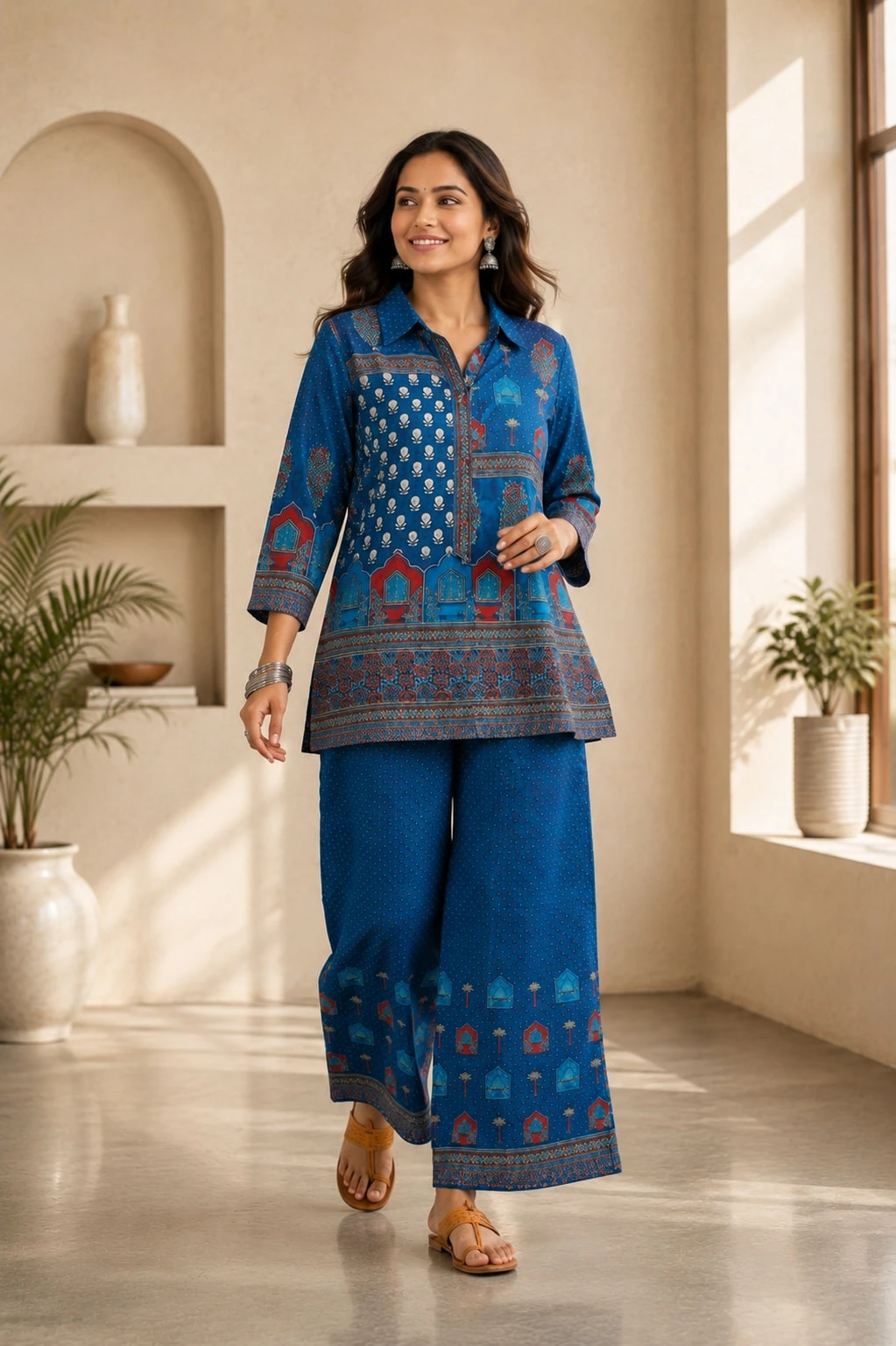
Cotton, crepe and rayon appear constantly in ethnic wear listings, often at similar prices, and the description rarely explains how differently they behave. The gap shows up after a season of wear rather than in the shop.
Cotton
A natural fibre, breathable, absorbent and durable. It handles Indian heat better than either of the others and tolerates frequent washing, which makes it the sensible default for anything worn regularly.
- Strengths — breathability, durability, takes print and embroidery crisply, easy to wash.
- Weaknesses — creases, may shrink on first wash, less fluid drape than crepe.
Crepe
Crepe describes a texture rather than a fibre — a crimped, slightly grainy surface that can be made from silk, polyester or blends. Most affordable ethnic-wear crepe is synthetic.
- Strengths — excellent drape, resists creasing, holds bold prints well, hangs elegantly.
- Weaknesses — usually synthetic and therefore less breathable; can feel warm in humidity; sensitive to high heat when ironing.
Crepe is a good choice for occasion wear where drape matters and the garment is worn for a few hours. It is a poor choice for a full day in the heat.
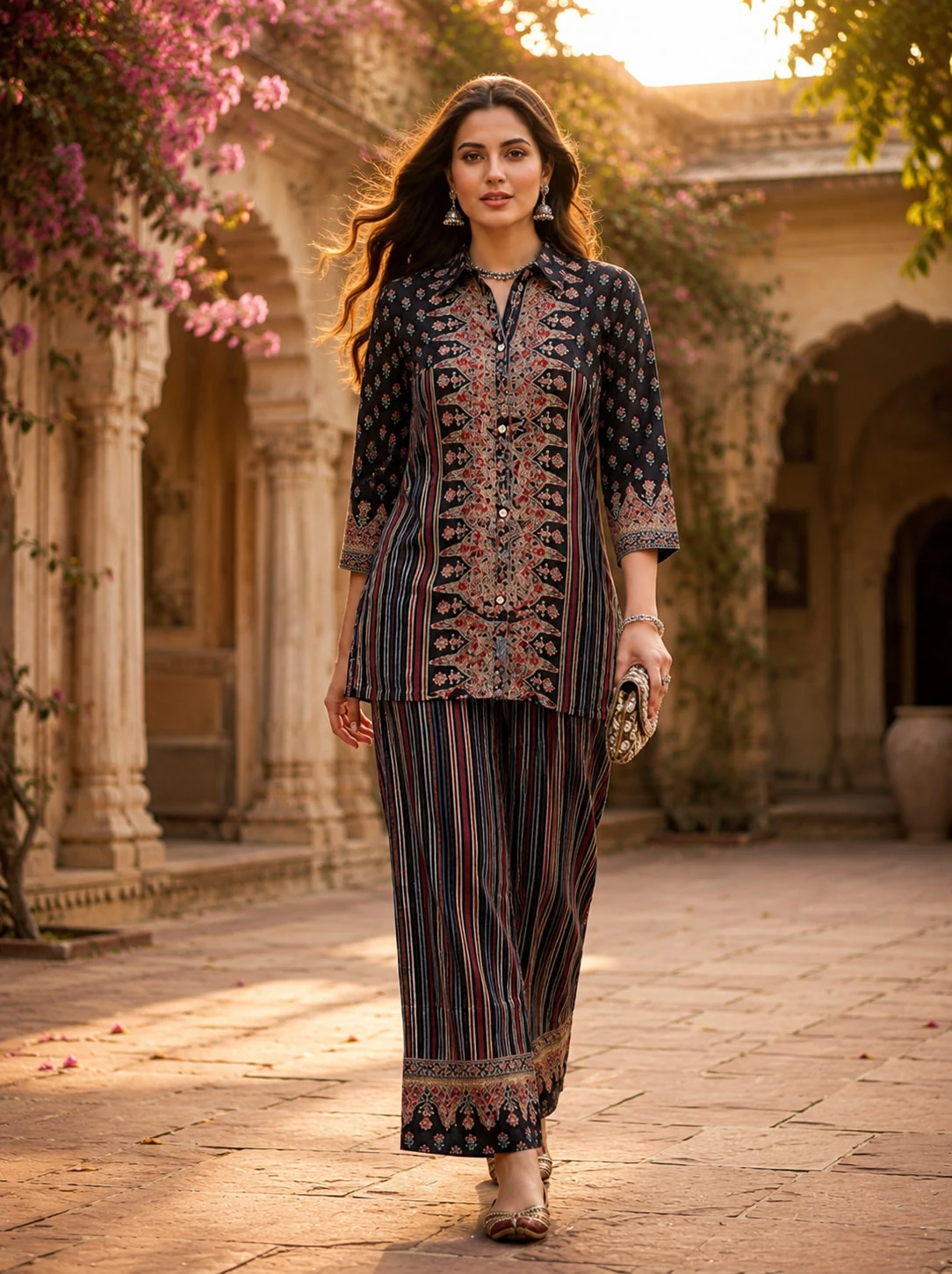
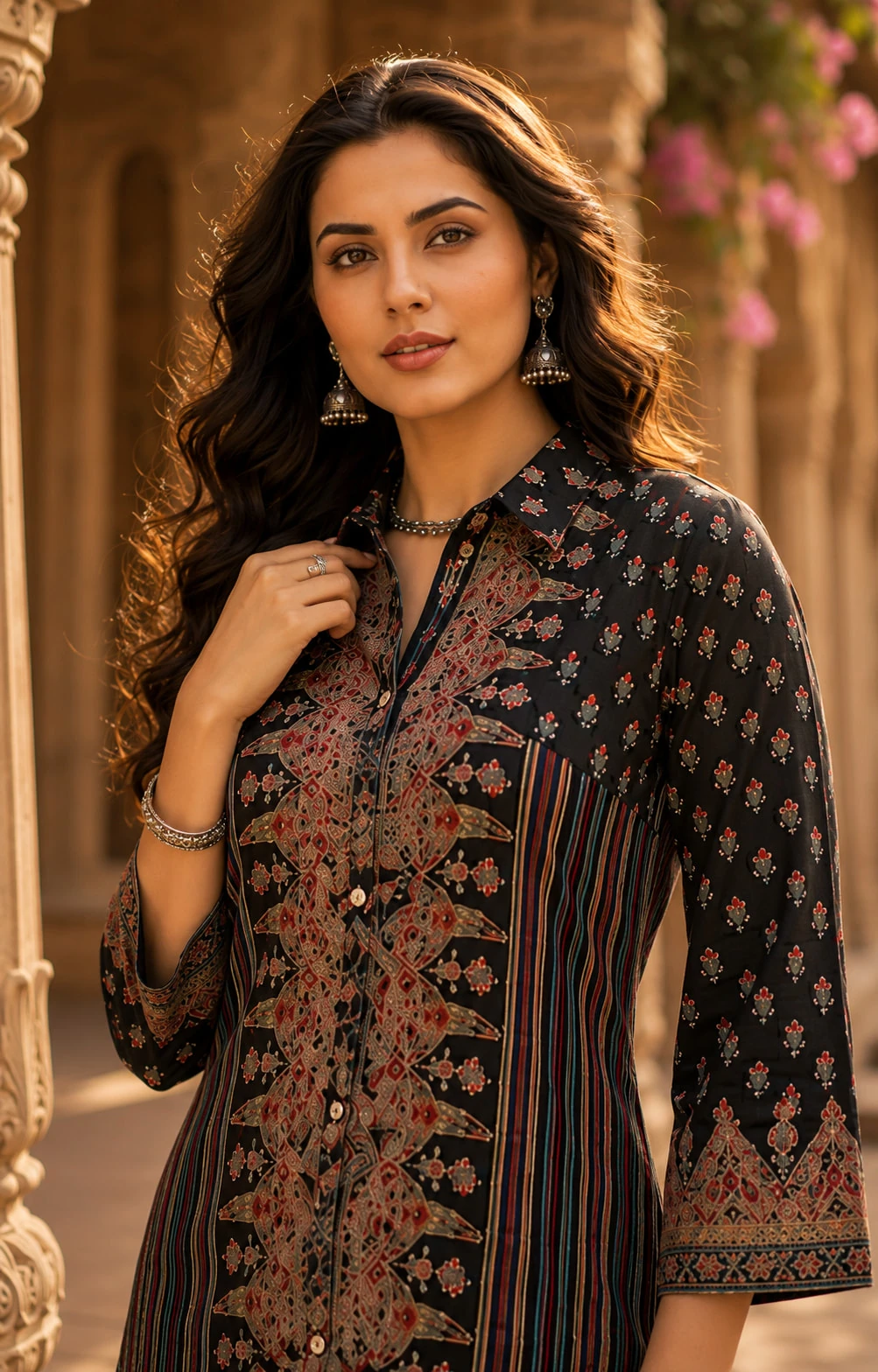
Rayon (viscose)
Rayon is semi-synthetic — manufactured from processed cellulose. It is often marketed as behaving like cotton, and it does share the soft handle, but not the durability.
- Strengths — soft, good drape, takes colour vividly, inexpensive.
- Weaknesses — significantly weaker when wet, prone to shrinking and losing shape, and it tends to pill and thin sooner than cotton.
Rayon looks excellent in a photograph and disappointing after ten washes.
From our range
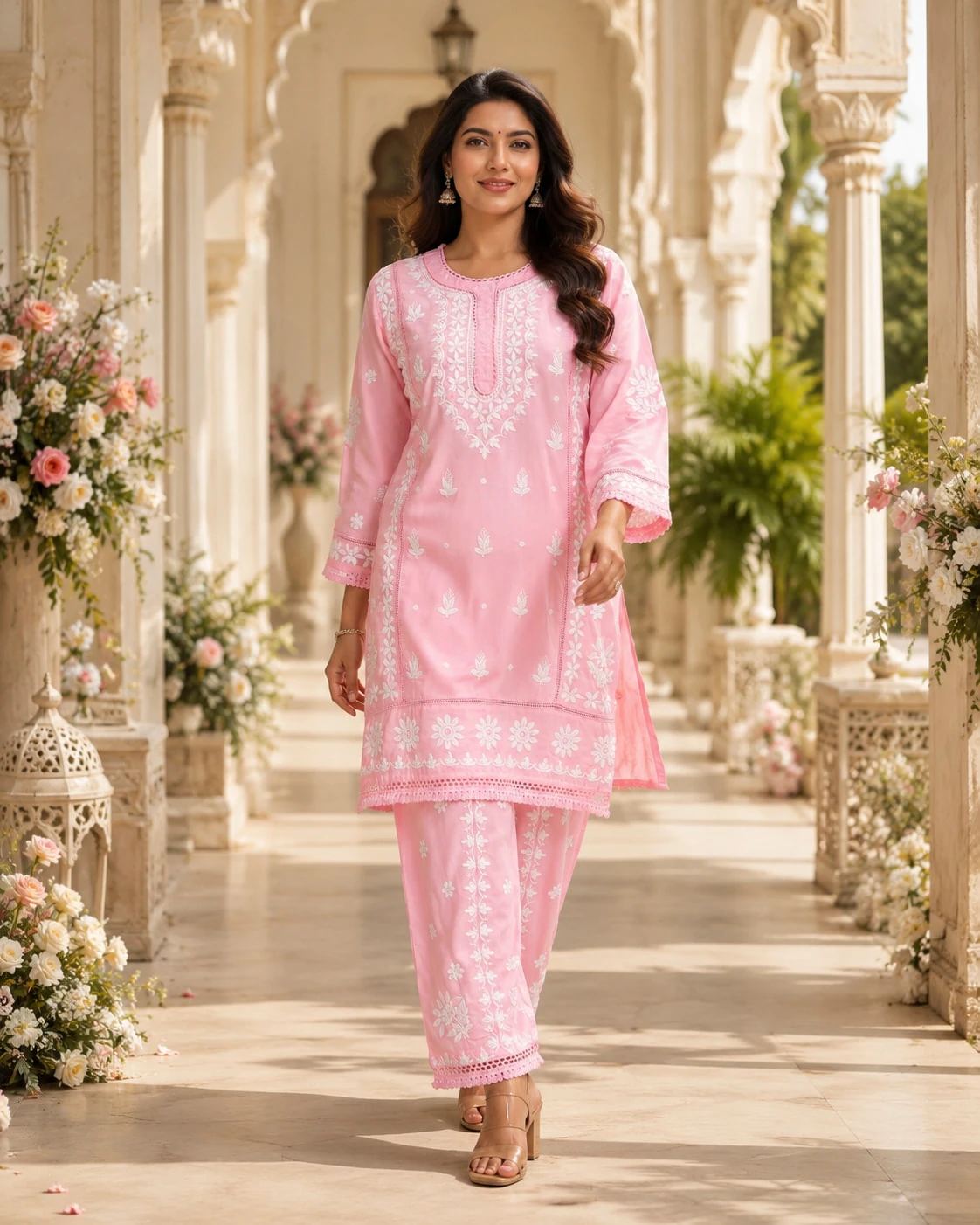
Baby Pink Hand Chikankari Pure Rayon Kurta Pant Set
Pure rayon with hand Chikankari — soft handle, and worth hand washing cold.
₹2,199
Choosing between them
For everyday and summer wear, cotton. For an occasion outfit where drape and a fluid silhouette matter more than breathability, crepe. Rayon is reasonable for pieces worn occasionally, where the low price matches the shorter life — but it is rarely the right choice for something you expect to wear weekly.
Cost per wear, rather than price, is the useful measure. A ₹1,800 cotton set worn fifty times is cheaper than a ₹1,200 rayon set worn eight. The same logic applies to cotton against linen.
Is crepe a natural fabric?
Crepe describes a crimped texture, not a fibre. It can be silk, polyester or a blend — most affordable ethnic-wear crepe is synthetic.
Is rayon the same as cotton?
No. Rayon is semi-synthetic, manufactured from processed cellulose. It shares cotton’s soft handle but not its strength, and it is significantly weaker when wet.
Which of the three is coolest in summer?
Cotton, clearly. It breathes and absorbs moisture. Crepe is usually synthetic and traps heat; rayon sits between the two.
Which lasts longest?
Cotton, by a wide margin, provided it is washed cold and line dried. Rayon is typically the first to pill and thin.
Most of our catalogue is cotton, for exactly this reason.
Browse cotton ethnic wear